
Do You Have Numbness or Tingling in Your Hands?
Carpal Tunnel Syndrome is a common condition that can cause numbness, tingling, or a “pins and needles” sensation in your hands and fingers. If you are experiencing these symptoms, you are not alone. They often interfere with everyday activities like typing, driving, sleeping, holding your phone, or completing work tasks.
As an Occupational Therapist at STAR Physical Therapy, I frequently work with patients who come in with hand numbness and tingling that affect their daily routine and quality of life. While it may seem minor at first, it often gets worse if not addressed. Carpal Tunnel Syndrome is one of the most common causes of these symptoms, but what exactly is it?
What is Carpal Tunnel Syndrome?
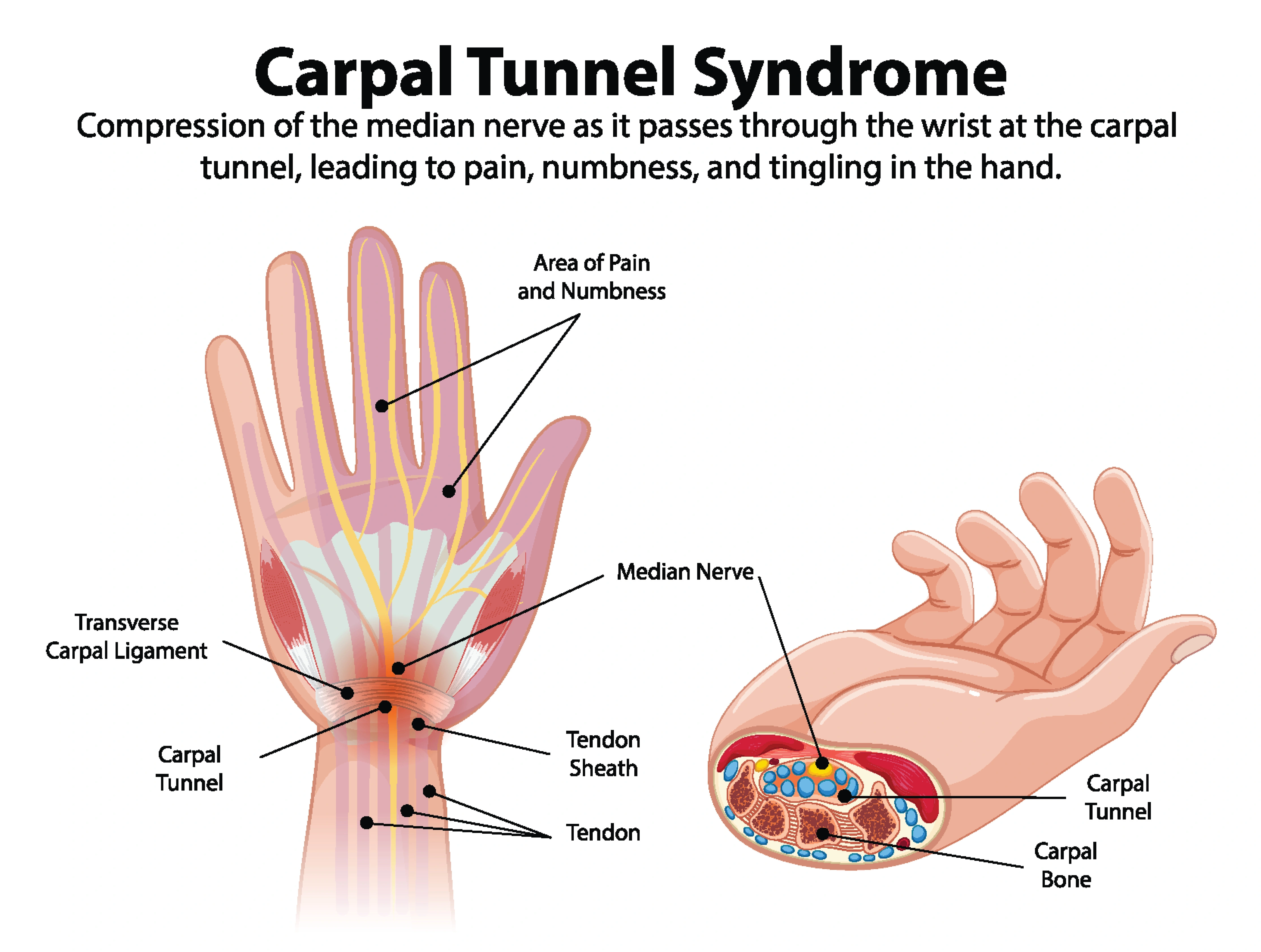
Carpal Tunnel Syndrome is a common condition that affects the hand and wrist when the median nerve becomes compressed as it passes through a narrow space in the wrist called the carpal tunnel.
This nerve provides sensation to part of the hand and controls the movement of small muscles at the base of the thumb. Increased pressure in this area can disrupt normal nerve function, leading to pain, numbness, and weakness in the hand.
What Causes Carpal Tunnel Syndrome?
Carpal Tunnel Syndrome does not always have one clear cause. It often develops over time due to a combination of factors.
Repetitive hand movements, prolonged wrist positions like typing or using a computer mouse, frequent gripping, and other medical conditions can all contribute to increased stress on the wrist. Swelling in the wrist caused by overuse, injury, pregnancy, arthritis, diabetes, or other medical conditions can also raise pressure inside the carpal tunnel and irritate the nerve.
What are the Common Symptoms of Carpal Tunnel Syndrome?
Symptoms often begin gradually and may come and go at first.
Common symptoms of Carpal Tunnel Syndrome include:
- Numbness or tingling in the thumb, index finger, middle finger, and part of the ring finger
- A “pins and needles” sensation in the hand
- Hand weakness or difficulty gripping objects
- Frequently dropping items
- Symptoms that feel worse at night or after repetitive activities
Many people first notice symptoms while typing, driving, or holding a phone. They may also wake up at night with tingling or numbness in their hands and fingers.
What Can I Try at Home?
Early or mild symptoms of Carpal Tunnel Syndrome may improve with simple activities and changes in positioning at home.
Keep your wrist in a neutral position during daily activities, and avoid prolonged bending. Taking regular breaks from repetitive tasks like typing, texting, or lifting can help reduce strain.
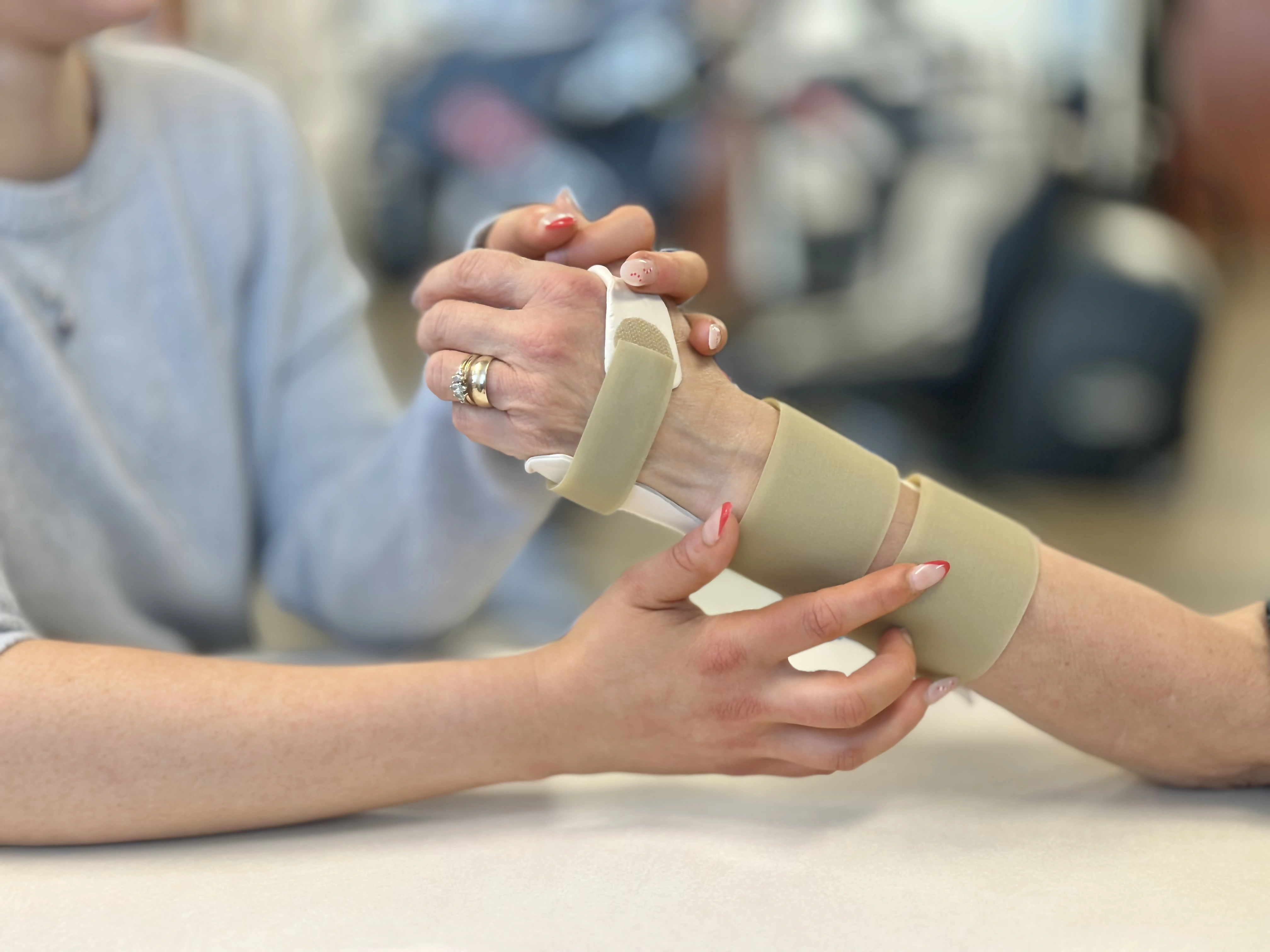
Wearing a neutral-position wrist splint at night may help relieve pressure on the median nerve and reduce irritation. Applying ice and managing inflammation early can also be beneficial.
When Should I Seek Help for Carpal Tunnel Syndrome?
If your symptoms persist, worsen, or begin to interfere with everyday activities such as getting dressed, driving, sleeping, or working, it may be time to seek a professional evaluation. Early treatment can help prevent further nerve irritation and long-term issues.
Ignoring symptoms can lead to increased nerve irritation, reduced grip strength, and long-term problems. Early evaluation and treatment often lead to better outcomes and a faster recovery.
How Can Occupational Therapy Help With Carpal Tunnel Syndrome?

Occupational Therapy can play an important role in treating Carpal Tunnel Syndrome by addressing both symptoms and the habits that may be contributing to them.
An Occupational Therapist at STAR Physical Therapy can assess your condition and symptoms, identify movement patterns and lifestyle factors that may cause discomfort, and develop a personalized treatment plan to reduce pain, improve function, and prevent symptoms from returning.
Treatment for Carpal Tunnel Syndrome may include:
- Gentle stretching and strengthening exercises
- Nerve gliding techniques
- Ergonomic recommendations for work and home
- Activity modifications to reduce strain
- Education on protecting your hands during daily routines
Our goal is to reduce numbness and tingling, restore strength, improve mobility, and relieve pain through a combination of these treatment approaches so you can return to your daily activities comfortably and confidently.
Ready To Get Relief?
Numbness or tingling in your hands and fingers may seem minor at first, but it can progress if left untreated. If you’re experiencing ongoing hand discomfort or these Carpal Tunnel Syndrome symptoms are starting to affect your daily life, don’t ignore the signs or wait for them to get worse. Our team at STAR Physical Therapy is here to help you get back to the activities you love most, comfortably, confidently, and pain-free. Find a clinic near you and schedule an evaluation with STAR Physical Therapy to take the first step toward lasting relief.
| Written by Kelly Amyx, MS, OTR/L • Occupational Therapist • STAR Physical Therapy – Portland and STAR Physical Therapy – Springfield |