What is Manual Therapy?
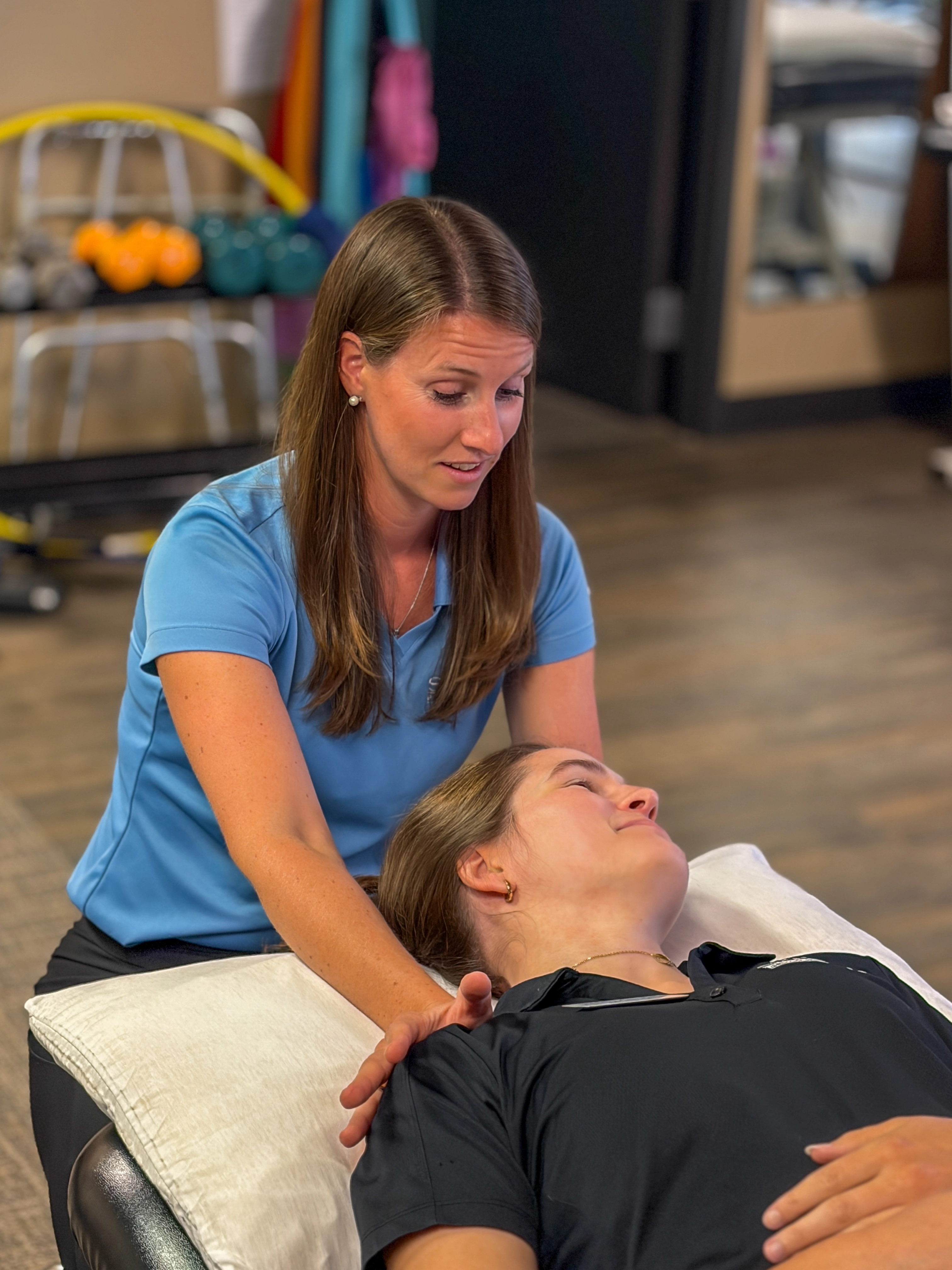
Manual therapy is one of the many tools physical therapists use to support musculoskeletal health, optimize athletic performance, and reduce recovery time following injury. Manual therapy consists of hands-on techniques that address soft tissues and joints throughout the body to relieve pain, improve flexibility, and restore normal movement patterns.
Although often associated with athletes, manual therapy is commonly incorporated into physical therapy treatment plans whenever pain, joint restrictions, or muscle tightness are present. While many people view physical therapy as primarily an exercise-based rehabilitation program, a multifaceted approach that includes manual techniques can improve patient outcomes. Manual therapy techniques range from gentle, passive approaches such as positional release and sustained pressure techniques to deeper interventions such as cross-fiber massage and trigger point release. Additional techniques, including active release and contract-relax stretching, can help restore a full range of motion and support a safe return to activity.
How Can Manual Therapy Help Athletes?
There are several reasons why manual therapy can be effective. Manual techniques may help decrease pain by improving fluid movement within tissues, reducing localized pressure, and addressing adhesions within scar tissue and the surrounding collagen matrix. Other benefits include promoting circulation, enhancing nutrient delivery to muscles and joints, and improving the elasticity of newly formed collagen fibers.
Can Manual Therapy Help With Sports Injury Recovery?
Competitive athletes frequently push their muscles and joints to their limits through repetitive movements and high-intensity training. Manual therapy can help reduce recovery time and support a quicker return to practice and competition. When used appropriately, manual techniques can address muscle tightness, swelling, trigger points, tendinitis, and other overuse-related conditions before they progress into more significant injuries.
Is Manual Therapy Enough For An Athlete’s Recovery?
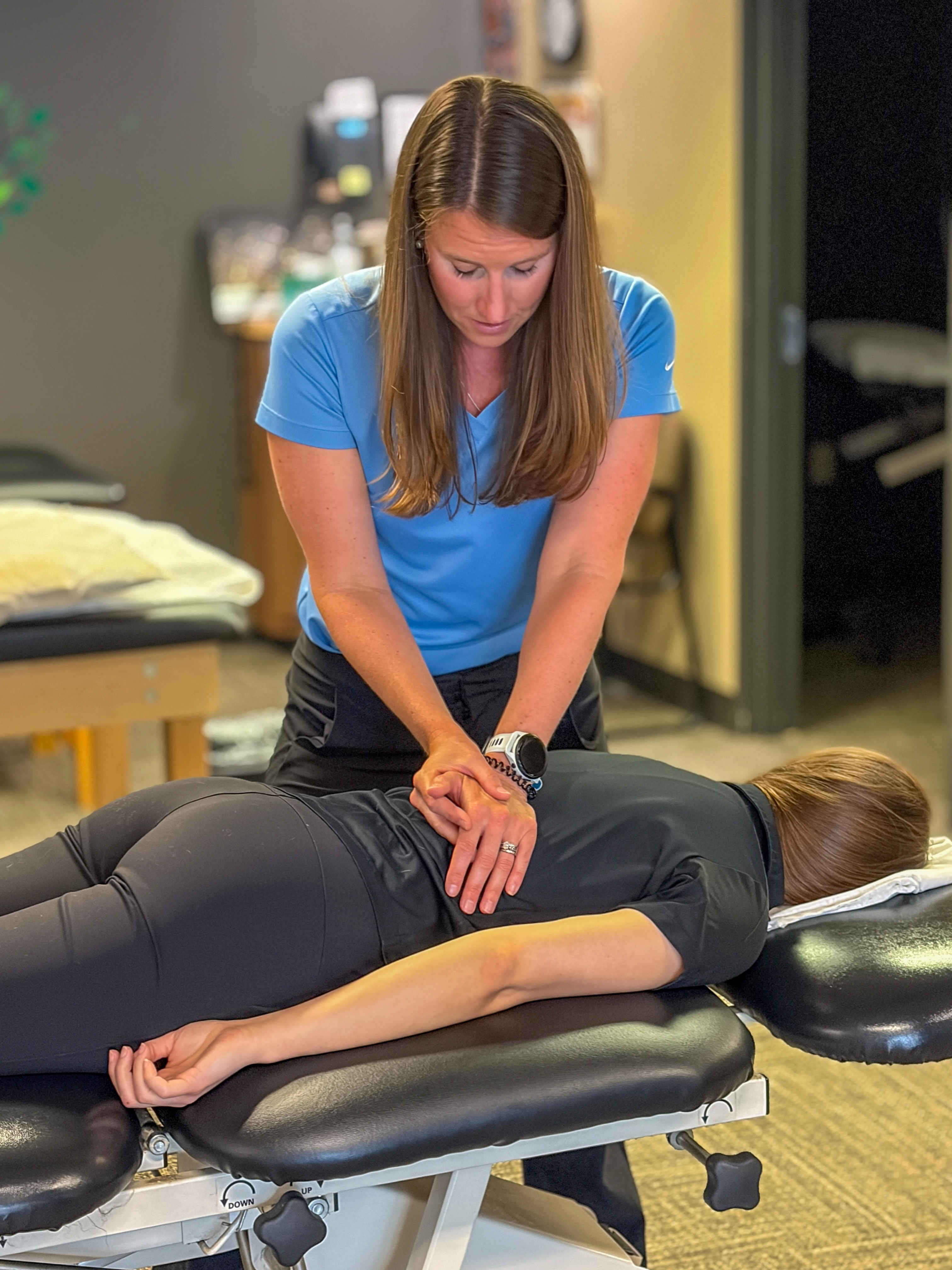
While manual therapy can be highly effective for treating musculoskeletal conditions in athletes and active individuals, it is rarely used as a stand-alone intervention. To fully restore function and strengthen the connection between the body and brain, therapeutic exercise, strength training, coordination activities, and sport-specific movement training typically follow manual treatment. In cases of injury, the goal is to address the underlying cause of symptoms rather than simply treating the symptoms themselves. Long-term objectives include a safe return to sport, improved performance, and injury prevention.
If you are interested in learning how manual therapy and a multifaceted treatment approach can help you or your athlete, contact STAR Physical Therapy today to schedule an evaluation. Our physical therapists can help address pain, mobility limitations, and sports-related injuries while developing an individualized plan to help you return to the activities and sports you enjoy. Find a STAR Physical Therapy location near you and take the next step toward getting back to doing what you love.
| Written by Casey White, PT, DPT, Cert MDT • Physical Therapist • STAR Physical Therapy – Green Hills |